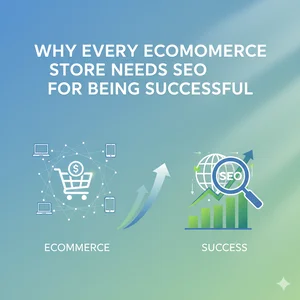
You’ve built a beautiful online store. The product photos are crisp, the descriptions are witty, and the checkout process is smoother than silk. You’ve even run a few social media ads. So why are the virtual crickets chirping so loudly? The digital storefront is open, but the customers aren’t walking in.
The disconnect often lies not in the quality of your products, but in their discoverability. In a marketplace as vast as the internet, waiting for customers to find you is a strategy for obsolescence. You must be found. This isn’t about a one-time marketing push; it’s about building a permanent, high-traffic roadway to your digital door. This is the fundamental work of e-commerce SEO, and it is the single most critical investment you can make for long-term growth. Let’s explore why.
The Unseen Marketplace: How Modern Shoppers Find You
Think about your own habits. When you need a new pair of running shoes, a unique gift, or even a specific brand of coffee, what’s your first move? For billions of people, the answer is a search engine. They type in “best running shoes for flat feet,” or “artisanal coffee beans Portland,” or “buy organic cotton t-shirts.”
These searches are modern-day expressions of intent. They are customers actively raising their hands and saying, “I want to buy something.” E-commerce SEO is the discipline of ensuring your store is the one that answers their call. It’s the process of aligning your website’s content, structure, and technical foundation with the precise terms and phrases your ideal customers use. Unlike paid ads, which stop generating traffic the moment you stop paying, the organic visibility gained through SEO provides a sustainable, compounding return.
The Core Pillars of a Profitable E-commerce SEO Strategy
Effective e-commerce SEO isn’t a single action; it’s a symphony of interconnected efforts. To move the needle, you need to focus on three critical areas.
1. Technical Foundation: The Bedrock of Search Visibility
If your website is a pain for search engines to navigate, it simply won’t rank, no matter how great your products are. Technical SEO is the unglamorous but essential groundwork.
- Site Speed & Mobile-First Indexing: Google now predominantly uses the mobile version of your site for indexing and ranking. A slow, clunky mobile experience directly harms your visibility. Tools like Google’s PageSpeed Insights are invaluable for diagnosing and fixing speed issues.
- Site Architecture & Crawlability: Can search engine “bots” easily find and understand all your pages? A logical site structure with clear categories (e.g., Home > Women > Shoes > Sneakers) and a comprehensive XML sitemap is crucial.
- Secure & Accessible Site: An HTTPS protocol is a non-negotiable standard for both security and SEO. Furthermore, fixing broken links and avoiding duplicate content (e.g., the same product appearing in multiple category URLs) cleans up the experience for both users and search engines.
2. On-Page Optimization: Speaking Your Customer’s Language
This is where you tailor each page of your site to communicate directly with both shoppers and search engines.
- Keyword-Rich Product Titles & Descriptions: Move beyond generic SKU numbers and manufacturer names. Incorporate the natural language people use to search. Instead of “Jacket Model X1,” use “Men’s Lightweight Waterproof Hiking Jacket for Cold Weather.”
- Unique, Compelling Content: Duplicate product descriptions copied from the manufacturer are a major red flag. Write original copy that highlights benefits, tells a story, and incorporates relevant keywords naturally.
- Strategic Use of Images & Videos: High-quality media is not just for conversion; it’s for SEO. Always use descriptive file names (e.g.,
blue-leather-ankle-boots.jpginstead ofIMG_1234.jpg) and fill out the ALT text for every image. This is essential for accessibility and provides another signal to search engines about your page’s content.
3. Off-Page Authority: Earning Trust in the Digital Neighborhood
Search engines view backlinks—links from other websites to yours—as votes of confidence. A store with a strong backlink profile from reputable sites is seen as more authoritative and trustworthy.
| Tactic | Description | SEO Impact |
|---|---|---|
| Digital PR & Outreach | Reaching out to bloggers, journalists, and influencers in your niche to feature your products or brand story. | High. Earns powerful, relevant backlinks and direct referral traffic. |
| Content Marketing | Creating valuable, non-promotional content (blogs, guides, infographics) that others naturally want to link to. | High (Long-term). Builds sustainable authority and establishes your brand as an expert. |
| Social Media Engagement | Actively participating in communities and sharing your content to increase brand visibility and potential link-earning opportunities. | Medium. Social signals are not a direct ranking factor, but the exposure can lead to natural links. |
The Tangible Payoff: What Ecommerce SEO Actually Delivers
Investing in e-commerce SEO isn’t an abstract marketing cost; it generates measurable business outcomes.
- Sustainable, Cost-Effective Traffic: Organic search is the largest source of web traffic for most successful ecommerce sites. Once you rank for a valuable keyword, that traffic is essentially free, day after day, dramatically lowering your customer acquisition cost over time.
- Higher-Quality Leads & Conversions: A user clicking a paid ad might be mildly curious. A user arriving from a targeted organic search has a clear intent to find and potentially purchase a product. This qualified traffic converts at a significantly higher rate.
- A Built-to-Last Competitive Moat: While your competitors might outspend you on paid ads temporarily, it’s much harder to outmaneuver a well-established, authoritative SEO presence. A top organic ranking is a defensible competitive advantage.
Your Next Move: Building a Roadmap for SEO Success
Understanding the “why” is the first step. The “how” requires a structured approach. For store owners on platforms like WordPress, a specialized approach can unlock significant potential. If you’re looking to build this foundation, exploring a dedicated service for e-commerce SEO for WordPress can provide the tailored technical and strategic framework necessary for growth.
Begin with a thorough audit of your current site. Identify your most promising keyword targets—those with high search volume and commercial intent that are relevant to your products. Then, start methodically optimizing one product category at a time, creating unique content, and building a technical foundation that search engines can trust.
The digital marketplace is the world’s largest shopping mall. E-commerce SEO is the process of not just securing a prime storefront location, but also putting up clear, compelling signs on every highway and side street that leads to your door. It’s the work that ensures when a ready-to-buy customer starts their journey, your store is the destination. To learn more about my approach to this critical work, feel free to explore my services and philosophy here at mdnazmulalam.net. The path to visibility starts now.